
Your Guide To Visiting Morocco: What To Expect
Your Guide To Visiting Morocco: Have you ever wondered why some visitors rave about Morocco while others leave frustrated? This concise guide sets realistic expectations so you can plan your trip with less stress and more confidence as a US traveler. Morocco rewards flexibility; it can feel intense in tourist hubs and delighting elsewhere.
Think of Pinterest scenes riads, tiles, desert dunes versus on-the-ground life: navigation, bargaining, timing, and street logistics. Knowing that gap makes a big difference. Preview: we cover the best time to go, arrival and money strategy, transport choices, where to stay, health basics, and practical tips. You’ll learn how to choose cities, avoid common scams, and what foods might upset your stomach.
Expect to haggle often and meet warm local people across a diverse country. This section promises actionable checklists and clear “do this, not that” advice so your travel choices feel smart, not overplanned. Set realistic expectations for fewer surprises. – Balance iconic sights with street-level logistics. – Follow practical checklists and region-specific advice.
Your Guide To Visiting Morocco
You’ll find vibrant markets, varied cities, and moments that require patience. The country rewards a flexible mindset. Schedules shift, narrow medina lanes confuse maps, and bargaining is common in tourist hubs.
A destination that rewards flexibility, patience, and a go-with-the-flow mindset
Plan broad goals, not minute-by-minute agendas. Decide in advance what you will negotiate and what you’ll pay for convenience. Build recovery time into your trip: slow mornings, café breaks, and early nights help you recharge.
How tourist-heavy areas can feel different from everyday local life
Tourist areas often feel louder and more insistent. Shop approaches and taxi negotiations turn up where visitors cluster. Take stepping-back moments in quieter neighborhoods to see daily routines separate from the tourist scene.
Why your experience may vary by city, medina, and season
Some cities feel intense Marrakech and Fez medinas are busy and fast. Others, like Essaouira, are calmer and breezier. Season matters: a day in April feels very different from a day in July heat. Adjust plans for temperature and crowd changes.
Key practical tip:decide what you’ll ignore, what you’ll negotiate, and when comfort is worth the cost. This mindset keeps the trip enjoyable and manageable for most visitors.

Best Time to Visit Morocco
Timing shapes nearly every moment of a visit, from crowds in medinas to morning light for photos. Spring (March–early June) and autumn (September–December) offer milder temperatures and easier sightseeing. You’ll find better walking conditions, more comfortable day hikes, and friendlier light for photos. These windows suit US visitors focused on photography and long walks.
Summer heat and city comfort
Summer (June–September) brings intense heat, especially in Marrakech and many inland city centers. Daytime touring often feels like a grind rather than a highlight. If you travel then, plan short morning outings and cool afternoon rests.
Desert swings and packing
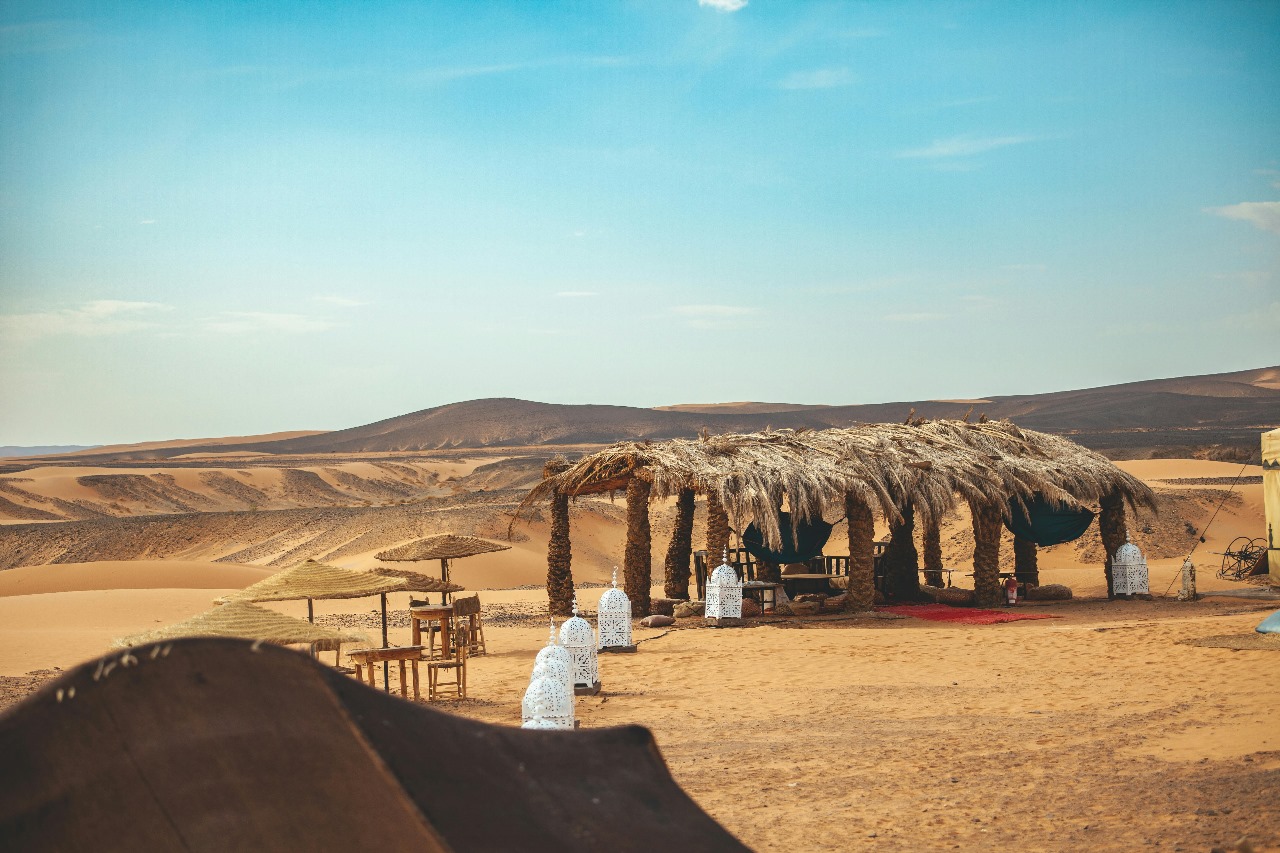
Desert places swing from very hot afternoons to surprisingly cold nights. Pack layers, a warm jacket for nights, and plan sunrise or sunset activities around temperature. Layers matter more than you expect for comfort and safety.
Winter and Ramadan realities
Winters can be chilly high in the Atlas; Ifrane even offers skiing and winter sports. During Ramadan, shop and restaurant hours may shift, lunch options shrink, and streets feel quieter. Adjust meal plans and tour timing accordingly.
Decision guidance: pick shoulder seasons for best walking and photos. Choose winter if you want the lowest crowds and you have warm gear. Note that peak-friendly weather usually raises riad and driver costs, so book earlier when prices matter.
Entry Requirements, Arrival, and First-Day Logistics
A calm, organized arrival sets the tone for the rest of your trip. Have documents ready and a simple plan for the first few days. That lowers stress and keeps lines moving.
Typical immigration checks and how to answer
At Casablanca and other entry points, officers often ask: what you’re doing, how long you’ll stay, where you’ll sleep, and how much money you carry. Answer briefly and clearly. Say your first-night address and the number of days you’ll visit.
Printed backups and why they matter
Make sure you carry printed hotel confirmations, a return or onward ticket, and travel insurance. Digital copies help, but printed pages save you if your phone dies or Wi‑Fi is down.
First-day practical checklist
Exchange a small amount of cash, set up a SIM or eSIM, and confirm your airport transfer. Don’t assume a credit card or card machine will work everywhere—carry some dirhams for taxis, tips, and snacks.
Keep your first evening low-key: eat somewhere familiar and sleep early. A pre-arranged transfer or reputable driver reduces friction and helps you meet friendly local people without overpaying.
Money in Morocco
Before you spend a dirham, understand how cash and cards behave across cities and remote areas.
Dirham basics and the closed-currency reality
The Moroccan dirham is a closed currency. You generally exchange after arrival, so don’t waste effort trying to buy large amounts in the U.S.
Where cash matters most
Markets, small shops, rural areas, and tipping often require cash. Many vendors won’t take cards, and some refuse large notes.
Smart move: break 100/200 Dh notes into 5/10/20 Dh bills as soon as you can. This avoids “no change” problems and keeps prices fair.
Card and ATM realities
Cards and credit are accepted in many hotels, some restaurants, and malls. Still, they’re not reliable in souks or tiny cafés. ATMs are common at airports and in major cities but rare outside. Plan to withdraw in larger towns, and carry a small backup of cash stored separately.
Common price pitfalls and quick conversion
Expect inflated first offers in tourist areas and occasional detours that end with an added charge. Pause and walk away if a price feels wrong.
For quick math, use a rough DH-to-USD rule: think of 10 Dh as about $1 (round numbers help you spot bad deals fast). Keep some money in your bag and some in your room safe so one loss doesn’t ruin your trip.
Getting Around Morocco
Local transit mixes informal taxis and formal rail or bus lines, so plan each segment deliberately.
Petite taxis in cities
Petite taxis are cheap for short hops. Insist on the meter—drivers sometimes quote flat fares for tourists. If a driver refuses the meter, be ready to walk away and find another car.
Grand taxis and negotiated fares
Grand taxis serve longer legs and rural runs. They use a negotiated price model, so expect higher rates and more bargaining stress. Use them for odd hours or when no other option exists.
Safety and comfort
Note that many petite taxis have seatbelts you can’t use. Balance speed and convenience against comfort. If safety matters, consider a private driver for that segment.
Trains and long routes
First class trains (for example, Marrakech–Fez, which can run about eight hours) offer a calm, simple way to move between major cities. Food options are limited on board—pack snacks and water for the day.
Buses and ticketing tips
Buses like Supratours are often comfortable and budget-friendly. Rest-stop food can be poor, so bring shelf-stable snacks. Popular routes (Fez–Chefchaouen) sell out—make sure you buy tickets early in person during busy periods.

Decision matrix
Private driver: best for comfort, tight timelines, or luggage. Train: clean, simple city-to-city travel. Bus: cheapest, but plan food and schedule. Match the option to your trip and time available, and choose the way that fits your priorities.
Where to Stay in Morocco
Riads offer striking architecture and close medina access, yet they can surprise light sleepers. These homes-turned-guesthouses put you steps from sights and cafes, and they make for memorable nights. Decide if a central place suits your comfort needs before you book.
Why a riad might be your best place
Courtyards, tiles, and rooftop views give riads charm you won’t find in chain hotels. You’ll often be inside the medina, which saves transit time and gives easy walking access to markets and landmarks.
What can catch you off guard
Traditional layouts amplify sound. Voices, footsteps, and rooftop activity echo through courtyards. If you are a light sleeper or have children, plan accordingly.
Finding your riad at night can be tricky. Narrow lanes confuse GPS, so arrange a pickup or ask the host for step-by-step directions.
How to avoid common booking problems
Watch for vague room descriptions, surprise per-person fees, and pressure to accept upgrades at check-in. Screenshot the listing and confirm the total price in writing, including taxes and any extra charges.
Pick hotels or riads with recent reviews focused on cleanliness and transparent staff. A trusted guide or a riad-arranged escort can ease late-night arrivals and protect your budget on the first night of your trip.
Food in Morocco
Meals are a highlight here, and learning a few ordering tricks pays off fast. Start with tagine — lamb, chicken, or vegetable versions arrive low and slow. Try couscous on a market day and sample pastilla (chicken and almond pie) for a richer plate. Don’t miss hearty soups and excellent citrus between meals.

Core dishes and confident ordering
Ask for a specific tagine style: chicken with preserved lemon or lamb with prunes. Order couscous on Fridays in many places; it’s traditional. Pointing at a busy dish helps if language is tight.
Restaurants, price, and regional notes
Restaurant meals in tourist hubs can feel pricier than other developing countries, though still often cheaper than the U.S. In less-touristy cities and small towns, good dinner options may be limited. Plan ahead or rely on riads with solid meals.
Food safety and practical tips
Pick busy spots with visible cooking. Avoid doubtful rest-stop meals on long bus or driver days. Assume tap water is unsafe for drinking; use bottled water and be cautious with ice or raw produce unless you trust the source.
If you feel off
Slow down and hydrate. Keep bland snacks and oral rehydration packets in your bag. Seek a pharmacy or your riad host for basic remedies so one bad meal won’t ruin a day.
Staying Healthy
A few simple habits keep minor illnesses from spoiling your time in the medina or on a desert drive.
Bottled water and brushing habits
Stick with bottled water for drinking and brushing. Open the bottle in front of you so you can make sure it’s sealed.
Avoid ice unless you trust the venue; some places use local water for cooling. This small rule protects you across the country.
Fresh juice caution
Fresh-squeezed juice from a busy café is often fine. Be wary of street stands where vendors may add water. Choose busy, clean spots your riad or guide recommends.
Public bathrooms and what to carry
Expect small fees and limited supplies at public restrooms. Carry tissues and a small bottle of hand sanitizer in your day bag.
Use hand sanitizer after handling change or maps, and keep tissues ready if toilet paper is not provided.
Your mini-kit and timing advice
Pack anti-diarrheal meds (Imodium or Pepto), oral rehydration packets, pain relievers, adhesive bandages, and any prescriptions. Keep these in an easy-to-reach pocket for long bus or train segments.
Don’t wait until the end of the day to address thirst. Heat, walking, and long drives make dehydration sneak up fast—sip often.
If you get sick
Rest, sip rehydration fluids, and eat bland foods until you feel better. Use travel insurance for medical care if symptoms worsen. Make sure your medications are accessible on transit days so you can treat issues quickly.
Culture and Etiquette You’ll Notice Quickly
Local rhythms and quiet rituals shape daily life in medinas more than the guidebook lines do. You’ll hear the call to prayer five times a day, often clear in narrow lanes. If you sleep lightly, pack earplugs or choose lodging away from main mosque towers.
The rhythm of Fridays and daily sounds
Fridays are a holy day; some shops open later and schedules shift across the city. Plan extra time for shopping and transit on that day so your plans do not strain.
Photo manners and asking permission
Many local people prefer not to be photographed. Always ask first, accept a polite refusal, and avoid pointing a camera at private moments. Tourists who show respect usually get friendlier responses.
Mosque access and respectful behavior
Most mosques are off-limits to non-Muslims, but the Hassan II Mosque in Casablanca is a notable exception and offers guided visits. Keep your volume low, dress modestly near sacred places, and wait patiently in busy street queues.
Notice gender patterns: men may gather at cafés while women move differently in public life. Learning this part of daily routine reduces friction and helps you get better service and warmer interactions in this country and around the world.

What to Wear in Morocco
Dressing smartly keeps attention low and makes moving through medinas much easier.
Tourist vs. local-friendly choices: In big cities some visitors wear shorts and sleeveless tops. That is common in busy tourist areas, but modest options — covering knees and shoulders — reduce unwanted attention in smaller places and rural neighborhoods.
Pack a capsule, not a suitcase
Bring loose, breathable pants or skirts, lightweight tops, and at least one scarf you can use for shoulder coverage or quick head protection. Scarves also serve as sun shields and modesty covers when visiting religious sites.
Heat, sun, and cooler nights
Flowy fabrics often feel cooler than tight clothes under direct sun during a long day. Add a light jacket or wrap for evenings and higher elevations. Don’t forget a sunhat, sunglasses, and sunscreen for plenty of daytime walking.
Practical accessories and habits
Use a secure crossbody bag so your hands stay free for purchases, maps, and a camera. Comfortable walking shoes help on uneven medina ground. Women traveling alone may prefer slightly more conservative dress at night; that small choice often makes interactions smoother.
Guides and Tours
A knowledgeable local can turn confusing alleyways into a clear, meaningful walk. For your first hours in a medina, a guide saves time, reduces stress, and points out details you’d miss alone.
Why a guide can change your visit
A strong guide adds cultural context, handles basic language gaps, and steers you away from low-quality stops. They often know which cafés follow safe hygiene practices and which monuments have hidden stories worth hearing.
Day trips and local logistics
For Atlas Mountain day trips, a driver or guide coordinates trail helpers, lunch stops, and timing for the best light. That support makes remote mornings and rural hygiene choices far easier.
Choosing private driver, group tour, or DIY
DIY gives control and lower cost. Group tours simplify planning and meet other travelers. A private driver offers comfort, flexible pacing, and luggage space—especially smart with kids or tight schedules.
Commissions and boundary scripts
Some guides earn commissions from partner shops. If you want no detours, say clearly: “No shopping stops today, please.” If pressured, repeat the line and offer a polite alternative: “We’ll visit one place we choose.”
Tip: Book guides through reputable riads, verified platforms, or solid referrals to avoid surprises and ensure real local value.
Shopping, Bargaining, and Tourist Pressure in Souks and Shops
Markets here test patience and instincts; a few rules keep your money and time safe.
Haggling basics and fixed-price anchors
Ask the initial price, then counter calmly with a lower offer. Decide your walk-away number before bargaining.
Tip: Visit a fixed-price store first to learn local prices. That baseline helps you spot inflated first offers in busy shops.
Dealing with pushy sellers
If a seller gets aggressive, keep moving and say, “No thank you.” Avoid being led into back rooms or long detours.
Watch for “walking ATM” tactics
Many people try unsolicited directions or short cuts that end at a cousin’s store. A man offering help in tourist corridors may expect a tip—decline politely and keep walking.
Smarter buying and quality checks
Inspect stitching on leather, check rug density, and buy sealed spices at Berber pharmacies rather than open piles. Ask for a bulk discount if you buy several items.
Tipping and cash norms
Tipping is common and usually cash-only. Carry small bills for restroom attendants, porters, and guide extras. Keep some money in a separate pocket so one loss does not spoil the day.
Conclusion
Finish strong: clear boundaries, cash on hand, and buffer days shape most good trips. Plan the right time and mix busy places with calmer ones so many people moments don’t wear you out.
Money and logistics matter. Carry small change, don’t rely only on card or credit, and set a simple rule for bargaining. Use a guide or short tour for your first medina day and for tricky day trips; it saves time and reduces stress.
Keep bottled water, a basic health kit, and offline copies of documents. Choose your cities and places on purpose, balance food and rest, and make sure your last day is low-key. Morocco can demand effort, but it gives plenty of once-in-a-lifetime moments at the end.

Leave A Comment