
The Ultimate Morocco Itinerary For First Time Visitors
Curious how a 7–10 day route can show you the highlights without turning your trip into a sprint? This concise Morocco Itinerary For First Time Visitors lays out a balanced plan that links Marrakech, the Atlas Mountains, the Sahara dunes ([[/Erg Chebbi), and the breezy Atlantic town of Essaouira. It focuses on an efficient loop that gives you medina energy, mountain views, an overnight desert camp, and a coastal reset.
You’ll find two pacing options: a tight weeklong schedule and a relaxed 9–10 day version. The article is written with U.S.-based travelers in mind, so it covers flights, timing, budgets, and practical safety tips you can use right away.
What to expect: clear day-by-day steps, where to stay (riads and camps), how to choose tours versus driving, what to eat safely, and how to avoid common scams. Recommendations reflect what past travelers reported works best, including common pain points like long drive days and annoying tour stop tactics. By the end you’ll have a realistic plan you can book—not just inspiration—so your journey feels manageable and memorable.
The Ultimate Morocco Itinerary For First Time Visitors
Start by picking how many total days you can spare—this single choice shapes every travel decision that follows. Choose the 7–8 day or 9–10 day pacing, then book transport, tours, and stays. That simple order prevents overbooking and keeps the plan realistic.
Who this plan is for and what you’ll experience
This guide is aimed at travelers visiting the region for the first time who want a high-impact route. You’ll balance lively cities, scenic mountain drives, a desert segment, and a calm coastal finish without daily packing stress.
Why a focused route beats trying to see everything
Places look close on a map but often take hours to reach. A tighter loop gives you real time to visit highlights like palaces, medina corners, and coastal cafes instead of constant transit.
What “past traveler-tested” means
Plan buffers for check-ins, bathroom breaks, photos, and slower medina walking. Overnight choices follow a pattern: start in the main city, include a multi-day desert stretch, and end by the coast to recover.
Note: This guide avoids unrealistic daily city-hopping and vague “just take a taxi” advice. If you must customize, add an extra night where you’ll feel it most—usually the big city or the coast.
Best Time to Visit Morocco for Comfortable Weather and Fewer Crowds
If you want pleasant walking weather and sharper views, pick April–May or late September–October. These months give mild days across Marrakech, the Atlas Mountains, and the desert, which makes sightseeing and drives easier.
Why spring and fall work best
Shoulder seasons cut heat stress in cities and lower peak crowds in medinas. You’ll find calmer streets and more comfortable daytime wandering. Mountain passes stay clearer and the light is softer, which helps photography and long scenic stops.
Summer and holiday tradeoffs
Summer can be extremely hot inland and crowded from July through September. Coastal towns stay breezier and may be the better summer choice. Check religious holidays and Friday hours before you travel; some attractions and shops may close or shift schedules.
Rule of thumb: if your goal is Marrakech + Sahara, prioritize spring or fall; if you seek beach days, summer still works on the coast. Plan ahead and confirm key sites before you go worldwide.
How Many Days You Need in Morocco as a First-Time Visitor
Choose a trip length that balances sightseeing with the slow stretches you’ll need between long drives. A tight 7-day schedule can hit Marrakech, the Atlas, a desert overnight, and a coastal stop, but expect several long transit hours and early mornings.
What you can realistically do in a week
Seven days works if you accept a fast pace and fewer full museum or market visits. Count arrival and departure as partial days; that often leaves only five full days to explore.
Use two nights in a main base and one night in the desert to avoid constant packing. That keeps travel days usable, not wasted.
Why 10 days feels less rushed (and often more enjoyable)
A 9–10 day plan adds recovery after desert sleep and gives you breathing room in Marrakech. You’ll spend more meaningful time in the medina and fewer hours just moving between cities.
How to factor in long travel days between cities
Treat any mountain pass or long-distance transfer as a half-day. Even well-maintained roads and guided pick-ups add stops that stretch travel into longer blocks of clock time.
Decision tip: if you dislike frequent packing, pick fewer bases; if you love packed sightseeing, tighten the route but expect earlier mornings and more transit.
The Best Route for a Balanced Trip
Plan a circular route that stacks intensity city energy, scenic drives, bucket-list dunes—then ends with seaside calm.
The core loop and why it works
The balanced loop runs Marrakech → Atlas Mountains transit/stops → Sahara Desert multi-day segment → finish in Essaouira. This layers high-energy medina days, dramatic mountain scenery, a true dune night, and a coastal reset.
Suggested pacing: 7–8 days vs 9–10 days
A 7–8 day plan moves faster, with fewer lazy mornings and tighter travel windows. You can cover the main route efficiently but expect longer drives.
A 9–10 day option adds breathing room. You’ll take more scenic stops and avoid the “always driving” fatigue.
When to use a tour and when to travel solo
Handle Marrakech sightseeing and the Marrakech↔Essaouira bus independently. Book a multi-day desert tour for Merzouga/Erg Chebbi segments; these usually include Aït Benhaddou and Todra/Dades stops and one night at a desert camp.
Quick tip: Avoid adding far northern cities unless you extend your trip. If you add a night, choose a place you’ll savor—often Essaouira or Marrakech—to enrich your stay.
Your Day-by-Day Morocco Itinerary Options
Start with a clear daily map so you can see a compact week or a relaxed 10-day plan at a glance. Below are two traveler-tested templates you can scan and adapt. Each outlines likely travel hours and what to prebook.
Weeklong overview (greatest-hits)
Day 1: Marrakech arrive, settle into a riad, easy medina walk.
Days 2–3: Atlas transit + scenic stops, then join a 3-day desert tour that includes an overnight camp (expect long driving hours and early starts).
Days 4–5: Desert segment continues dunes, camel ride, camp night, then return toward the south/north route.
Days 6–7: Essaouira — coastal reset, walkable town, fresh seafood and relaxed pacing before departure.
10-day overview (more breathing room)
Day 1–2: Extra day in Marrakech for museums, palaces, and a hammam. No rush.
Days 3–6: Slower 4-day desert tour option — more scenic stops and rest between drives.
Days 7–10: Longer Essaouira stay to unwind, add a beach day or a short local tour.
Practical notes: prebook the multi-day desert tour and camp, and reserve riads in peak months. Day tours, hammams, and meals in Essaouira can stay flexible.
Choose the longer option if you dislike very early mornings. Each destination chapter that follows will give clear do-this lists: what to see, where to stay, and how to avoid wasting your day.
Marrakech: Your High-Energy Start in the Medina
Marrakech hits you like a sensory rush: color, calls, and constant motion. The medina can feel overwhelming until you learn its rhythm. Plan short loops, pause at your riad, and pick one main sight each half-day.

What it feels like and how to manage the overload
The city is crowded, noisy, and full of sales pitches. Use offline maps, save your riad pin, and accept small detours—getting a little lost is normal and often rewarding. Take regular breaks. A calm café or Dar El Bacha’s courtyard is an easy reset when alleyways get intense.
Essential sights near the medina
Choose one major stop early: Bahia Palace for architecture, Ben Youssef Madrasa to beat crowds, and Koutoubia viewpoints for quick orientation.
Walk through Jemaa el-Fnaa to orient yourself, but don’t treat it as your best shopping zone, it’s great for atmosphere and people-watching.
Souks, alleyways, and practical shopping tips
Browse calmly and be ready to say no. Let sellers make the first offer, then walk away if the price feels wrong walking is your strongest negotiation tool. Avoid bargains pushed in tourist-trap lanes; instead, compare similar items across several stalls before buying.
When a guided city tour adds value
A short orientation tour on your first afternoon helps you navigate, learn history, and avoid forced shopping detours. Book the guide through your riad and set boundaries—tell them upfront you do not want shopping stops.
Navigation mini-plan: download offline maps, mark your riad, and plan one major sight plus an open wander. That structure keeps the medina exciting without burning you out.
Where to Stay in Marrakech for the Best First-Timer Experience
A compact riad near the medina makes sightseeing simpler and gives you a private escape. Riads are courtyard-style boutique stays with small guest counts and personal service. They offer a quieter atmosphere than large hotels and often include a generous breakfast and helpful staff who can arrange guides and transfers.
What to look for when booking
Checklist: easy medina access without being on the noisiest street; a clear meeting point for taxi drop-offs; seasonal heating or air conditioning; and recent reviews praising staff support.
Good value and practical benefits
Good value usually means included breakfast, help booking day tours, and a calm courtyard to recover after busy market walks. Staying in or near the medina reduces taxi time and makes major sights walkable. Confirm that taxis can reach a nearby gate so you’re not carrying luggage through long alleys.
Recommended places and what they’re known for
Design-forward: El Fenn — stylish spaces and a strong atmosphere.
Classics: Riad la Caleche & Spa and Riad Rockech — well-reviewed and comfortable.
High service: Riad Ksar Al Amal — praised for exceptional service and nightly tea. Also consider Riad Dar Zaouia for its traditional charm.
Booking tip
Riads are small and sell out in peak months. Book early to secure the place you prefer and avoid last-minute compromises.
Atlas Mountains Transit Day
An Atlas transit day mixes long road hours with sudden, unforgettable mountain views and village scenes. Plan it as a moving sightseeing stretch rather than a lost travel day.

What the drive actually feels like
Expect winding roads and elevation changes. Leaving early in the morning reduces traffic and gives you more daylight to stop safely.
Most main roads are in good shape, but the route still has twists that slow you down. Treat each long stretch as a chance for short, frequent breaks.
Highlights to prioritize
Flagship stops include panoramic lookouts, traditional villages, and heritage sites such as Aït Benhaddou. If time is tight, choose one major sightseeing stop and a couple of quick photo pull-offs.
Smart stops: a simple framework
Plan one true sightseeing stop, one meal stop you select, and multiple short photo stops. This keeps the day moving and avoids losing hours to unfocused detours. Bring snacks and a small toilet kit. With kids or a group, schedule restroom breaks at known towns rather than improvising.
Keeping control on a tour
If you travel with a guide, ask early which stops are planned and confirm there will be no mandatory shopping detours. State your priorities clearly so the day stays on your way.
Sahara Desert Tour
A desert multi-day tour gives you a dramatic change of pace: silence, stars, and rolling dunes. Choose your route based on how much driving you accept and how iconic you want the sandscape to be.
Choosing the right desert
Merzouga offers larger dunes and the classic dune silhouette photographers love. Zagora is a shorter drive with smaller dunes—better if your schedule is tight.
What a multi-day tour includes
Most 3-day tours bundle pickup, transport, guide stops, one desert camp night, and a camel ride. Typical pricing has hovered near €100 for structured 3-day options. Confirm exact inclusions before booking.
Packing and cold-night prep
Bring warm layers for night and early morning, wind protection, closed-toe shoes for sand, and a headlamp or phone light. Nights can drop sharply; a warm jacket matters more than extra shirts.
Ethical camel-ride checks
Vet operators by asking about animal care: healthy-looking camels, reasonable ride length, and clear handling. Say up front you won’t support rides that appear abusive—most reputable guides will respect that.
Realism check: the desert is distant from major cities, so expect long road days. Watch for tours that force shopping stops or mandatory lunches; ask to remove those before you pay. Plan a sunset or sunrise—if weather spoils it, the quiet camp, tea, and stars still make the journey worthwhile.

Tour vs Self-Drive: The Best Way to Travel This Morocco Route
Deciding whether to drive yourself or join a guided group changes how you plan each day. Self-driving gives you flexibility to stop at unexpected viewpoints and control your schedule. Reports showed main roads are generally good and signage appears in Arabic and French. Rentals have been found near €20/day, making this a cost-effective way to move between places.
Self-driving: road conditions and who it suits
City driving can feel hectic, especially in busy centers. Once you leave urban traffic, highways become calmer and predictable. Self-drive fits families, photographers, and groups who want to set their own pace and stop when they choose.
Public transport and local tours: when they win
Public buses between major cities are cheap and reliable—Marrakech↔Essaouira runs often and costs about €10. For remote spots like Aït Benhaddou, Todra, or the desert, multi-day tours are the simplest option and save long navigation hours.
Avoiding forced shopping stops
At pickup, tell your guide you do not want shopping detours. Ask for the day’s stop list and confirm lunch choices. Read recent reviews for phrases like “mandatory lunch,” “carpet shop,” or “argan demo” before you book.
Essaouira: Coastal Reset After the Cities and the Desert
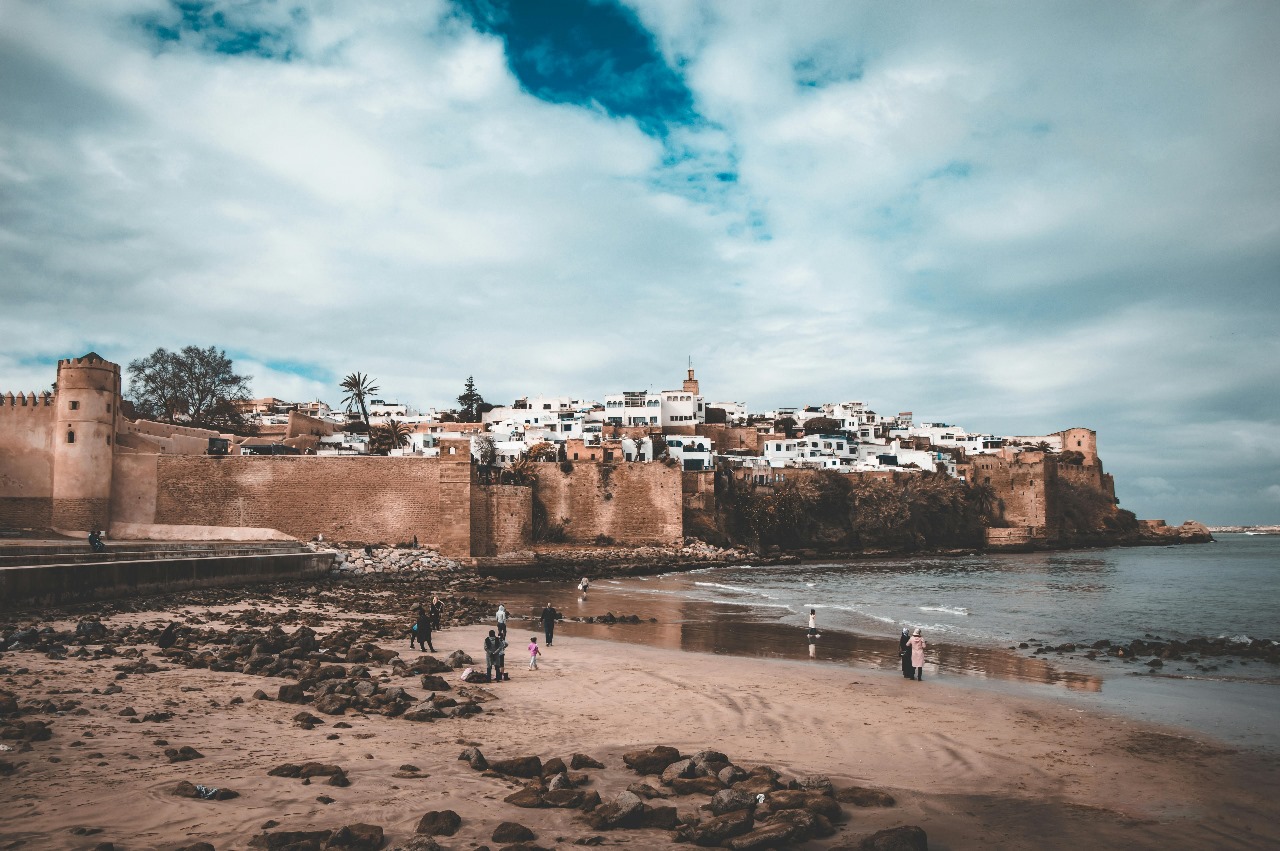
After desert silence and city bustle, Essaouira arrives like a cool exhale by the sea. This breezy fortress town has whitewashed buildings with blue accents, a relaxed pace, and walkable streets that invite you to slow down.
Top things to do in town and along the coast
Stroll the old town and the blue-and-white lanes at your own pace. Watch fishing boats at the port and choose an unhurried seafood lunch by the water.
Browse small shops in the medina and visit the Mellah without a packed schedule. Golden-hour walks on the ramparts give excellent coastal views and photo chances.
Dunes experiences and easy add-on tours
If you want light adventure, add a short camel ride, a horseback jaunt, or a quad/ATV tour in nearby dunes. These options give dune views without committing to multi-day excursions or long drives.
Where to stay in Essaouira for atmosphere and convenience
Choose a riad in the historic core for charm and local atmosphere, or pick a hotel with ocean views for extra comfort. Well-known options include Riad Azul, Dar Ness, Hotel Cote Ocean Mogador, and Atlantic Hostel.
Practical tip: the wind can be strong. Pack layers, plan beach time when the forecast calms, and use this place to rest, do laundry, and leave recharged.
Accommodation Planning Across Morocco: Riads, Desert Camps, and Hotels
Your nights shape the trip: pick courtyard riads for calm city stays, vetted desert camps for an overnight under the stars, and straightforward hotels during long transfers.
What to expect from city riads
Riads are small, courtyard-based boutique places with personal service. Staff often help with maps, bookings, and local tips so you waste less time planning on arrival.
Most include a solid breakfast, which makes early departure days easier. Expect narrow access for cars—ask the riad for the nearest gate and luggage assistance before you arrive.
How to choose a desert camp you’ll enjoy
Not all camps are equal. Confirm distance from the dunes, whether bathrooms are private or shared, and what bedding is provided. Ask specifically about warm blankets and daytime shelter.
Check the evening plan: dinner, music, and sunrise logistics. Verify what’s included on booking so you don’t pay extra for simple items like tea or a camel ride.
Booking strategy, peak periods, and flexibility
Book Marrakech riads and the desert segment first in high season. Lock these critical nights, then reserve Essaouira or coastal options once travel dates are fixed.
Keep one buffer night in your plan to absorb delays or give yourself extra rest. Finally, confirm the riad meeting point and transport details to avoid last-minute stress on arrival.
Food and Drink in Morocco: What to Eat, What to Skip, and How to Stay Well
Good meals shape your trip more than any single sight. Learn what to order confidently, how to spot low-effort tourist menus, and simple safety steps so food becomes a highlight rather than a hazard.

Must-try dishes and tourist-menu traps
Try tagines, couscous, fresh flatbread, and seasonal fruit. These staples are widely available and often excellent at modest prices.
Avoid glitzy set lunches pushed by guides—those “tour lunch” stops can be overpriced and bland. Walk a few blocks off main tourist lanes to find better places and better value.
Street and market eating: reducing risk
Choose busy stalls with high turnover. High foot traffic usually means fresher food and faster service.
Avoid unpurified ice and untreated salads if you’re sensitive. Favor cooked items, carry basic stomach medicine, and bring electrolyte packets for long transfer days.
Mint tea, coffee breaks, and alcohol expectations
Mint tea is a staple—accept a cup as a local ritual and a low-risk refreshment. Coffee stops, like the popular Dar El Bacha café in Marrakech, make handy rest points during museum or medina days.
Alcohol is legal but limited. You’ll find it most easily in licensed hotels and bars; don’t expect broad availability in small neighborhood cafés.
Eat well and feel good — quick checklist:
- Order cooked staples (tagine, couscous, fresh bread).
- Pick busy street stalls and avoid questionable ice.
- Skip mandatory set lunches when possible; carry snacks.
- Use bottled water and electrolyte packets.
- Enjoy mint tea and schedule coffee breaks to pace your day.
Budgeting Your Morocco Journey From the United States
A clear money plan saves you stress and helps you enjoy more moments on your journey. Start by separating fixed costs—flights and accommodation—from daily spending like food, taxis, entrance fees, and tours. That split shows where you can cut or upgrade without scrambling while away.
Realistic daily budgets by travel style
Budget/hostel: plan roughly $35–50 per day for meals, local transport, and small fees. Cheap local meals often run under $8.
Mid-range riads: expect $55–90 per day. Mid-range meals commonly cost about $20 each, and this range covers taxis and occasional guided tours.
Higher-end stays: allow $120+ per day when you add boutique accommodation, private guides, and extra shopping. The desert tour type and lodging category move the needle most.
Typical transportation and cost buckets
City taxis are short and affordable if you agree a fare up front. Intercity buses and trains are low-cost options for major routes. A compact rental car can run ~€20/day; this often suits groups who want flexibility. Multi-day desert tours usually bundle transport and lodging—confirm inclusions to avoid surprise charges.
Cash, ATMs, and paying in the medina
Many small shops and cafes are cash-only, so plan ATM withdrawals at reliable bank machines. Carry small bills for tips and tiny purchases and don’t assume cards work inside medina stalls.
Before you go, notify your bank, compare ATM fees, and bring a backup card. These simple steps prevent mid-trip banking headaches and save you valuable time spent resolving issues.
Money-saving habits and a final tip
Negotiate taxi fares, confirm what tours include, and avoid paying unsolicited “helpers” in busy market areas. Budgeting isn’t just about money, it’s a time-saver that reduces daily decisions so you spend more of your trip enjoying sights and less time negotiating each purchase.
Safety, Scams, and Cultural Etiquette for First-Time Visitors
Knowing common street tricks and polite shutdown lines makes exploring easier and less stressful. Keep your plan practical: arrange guides through your riad or hotel, mark meeting points, and carry a local SIM or saved map pin.
Common scams and polite shutdown scripts
Watch for unsolicited helpers offering directions, people who say “this way is closed,” and henna artists who expect payment after a demo. These often start friendly and become pressuring.
Polite shutdowns work well: say “No, thank you,” keep walking, or state “I have a guide/meeting.” Avoid long debates; firm and brief is safest.
How to haggle in the souks
Set a mental maximum before you haggle. Start low, stay friendly, and be ready to walk away.
Use the rule: offer about half the asking price, then meet in the middle if it feels fair. Treat shopping as conversation, not conflict.
Dress and respectful behavior
Cover shoulders and knees as a considerate default, especially outside the busiest tourist lanes. Ask before photographing people and be mindful near religious sites.
Tips for women and nighttime planning
Avoid walking alone at night in narrow medina lanes. Use pre-arranged pickups, choose busier streets, and trust your instincts if a situation feels off.
Family basics and a short checklist
If you travel with kids, keep meeting points and a simple plan for what to do if separated. Children increase visibility in crowds, so hold hands and use bright clothing or a photo of guardians on a phone.
Final mindset: treat safety as routine planning, not fear. With simple rules—clear shutdown lines, basic dress respect, and cautious night choices—you’ll spend more time enjoying markets, shopping, and local life with confidence.
Practical Trip Prep: Documents, Packing, Language, and Staying Connected
Clear practical prep stops small problems from stealing sightseeing hours: confirm entry rules, pack for microclimates, and secure reliable maps and connectivity before you fly.
Passport and pre-flight checklist
U.S. citizens typically do not need a visa for stays under 90 days, but a valid passport is required. Check your passport has at least six months validity beyond your exit and one blank page.
Bring printed and digital copies of your passport, reservations, and emergency contacts. Confirm entry rules for your nationality and save embassy contact details at home and on your phone.
Packing smart for varied weather
Layer breathable clothing for hot afternoons, add a windproof layer for coastal mornings, and pack a warm jacket for cold desert nights. Good footwear means closed shoes for medina walking and sandals for spas or the beach.
Carry a neck pillow, snacks, and a refillable bottle for long drives. These small comforts save time and make each day easier.
Language and connectivity
Arabic is primary and French is widely useful; English appears often in tourism. Learn a few polite phrases and keep Google Translate handy.
Buy a local SIM (Maroc Telecom, Inwi, Orange) at the airport or shop, or use an eSIM (Airalo) if you prefer instant setup. Always download offline maps (Google Maps or MAPS.me) and pin your riad’s gate each morning so you never lose your way in medina alleys.
Logistics saves time: sorting documents and connectivity at home prevents you from losing precious hours solving small problems on arrival.
Conclusion
Finish by committing to a compact route that trades frantic hopping for richer hours in each place. ,
Summary: pick a clear loop that stitches city life, mountain views, a desert camp night, and a coastal town so you spend less day time driving between far-off cities.
Decide early: choose your total day count, then select the week or 9–10 day pacing and whether a tour or self-drive suits your budget and comfort.
Stay in a well-reviewed riad in the main city, plan medina navigation, and treat shopping as optional. Vet desert operators, pack warm for cold nights, and expect long hours on the road.
Book core accommodation and the desert night, download offline maps, set a simple cash plan, and build a buffer day. With realistic plans and the right expectations, this route can turn initial overload into one of your most memorable travel experiences.

Leave A Comment